
Describe it.
Print it.
Type what you need printed. prompt-to-part designs the part with real dimensions and sliders, checks that it prints, and gives you a Bambu Studio project or an STL. Open source, and it runs on your own computer.
an articulated desk stand for a Galaxy Z Fold8 Ultra, with locking hinges
Asked for, and got
Six requests, one for each kind of thing it makes, and what came out.
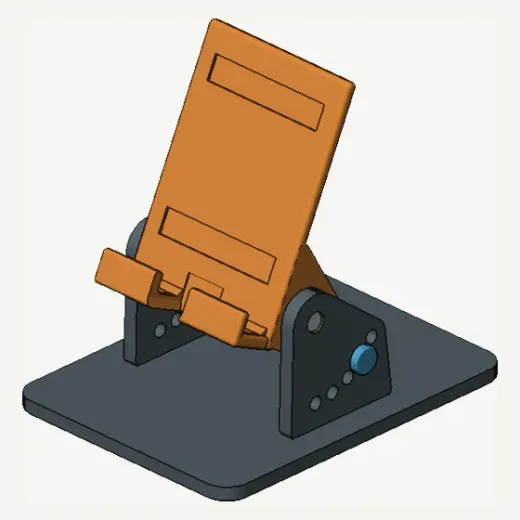
desk stand for a phone, the phone cradle tilts from 0 to 60 degrees back
3D model. An exact solid with named sizes you can change. The cradle locks at five angles with two printed pins. 4 parts, no supports.
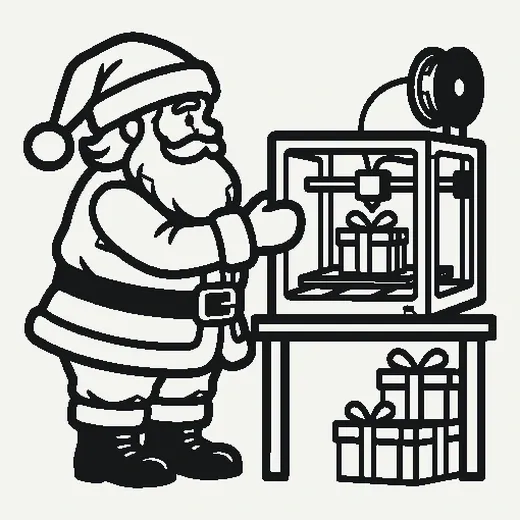
santa claus using a 3d printer for presents
Line art. A drawing cut out as one flat piece in one colour, about 2 mm thick, to hang on a wall or stand on a shelf.

amazonian forest, on a small boat, one tourist with his gear and one indigenous. going through the river, nature everywhere, even some birds, maybe some other animals too. use 6 colors
LayerTone. A picture painted by the filaments themselves: 6 colours stacked in thin layers, 250 x 168 mm and about 1.5 mm thick.
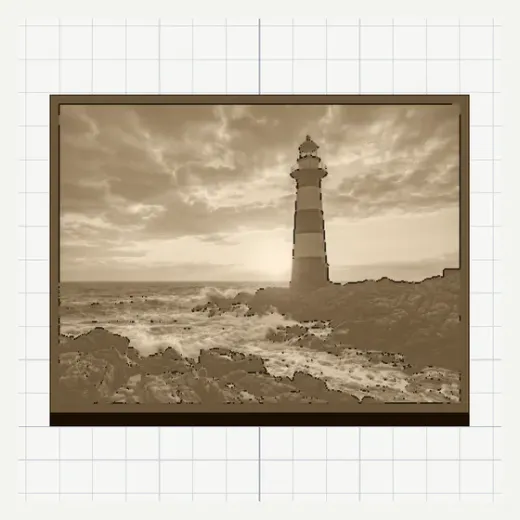
a lighthouse on rocks at sunset, as a night light panel about 12 cm wide
Lithophane. White PLA, 0.8 mm where the picture is bright and 3 mm where it is dark. Lit from behind, the photo appears.
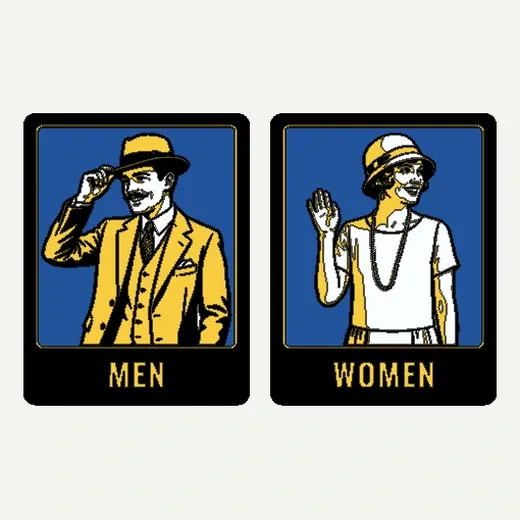
a pair of retro bathroom door signs for a cocktail bar, one for men and one for women
AI artwork. Two drawn pictures turned into raised colour layers, one sign for each door.
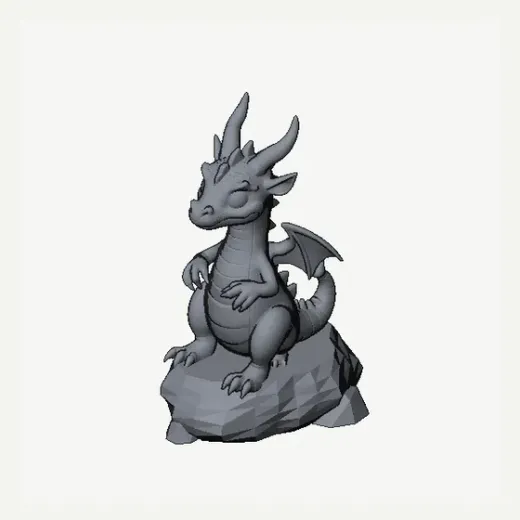
a small dragon figure sitting on a rock, about 8 cm tall
3D figure. Sculpted by Meshy from the description, then set into a rock built to print. 80 mm tall, one piece.
Printed
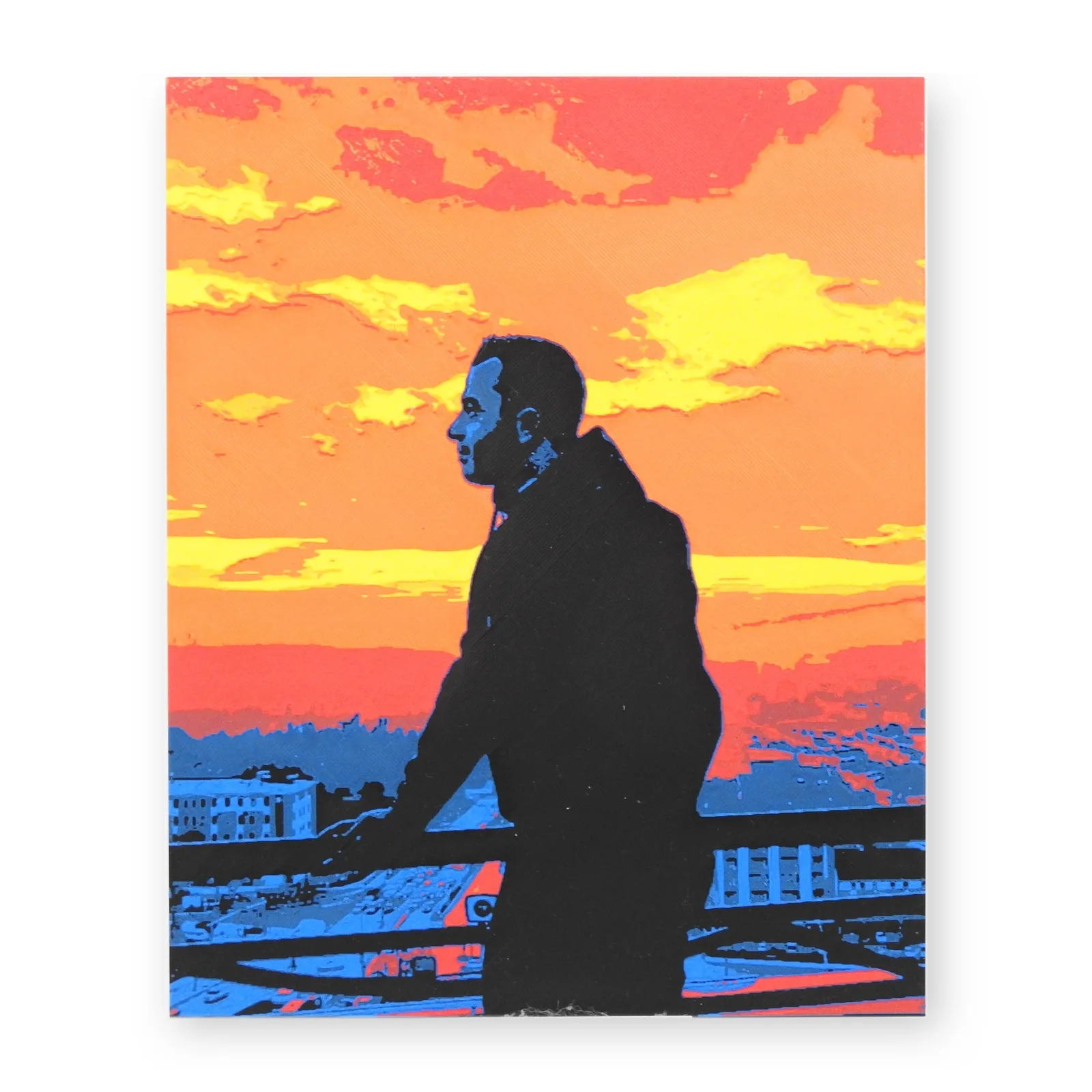
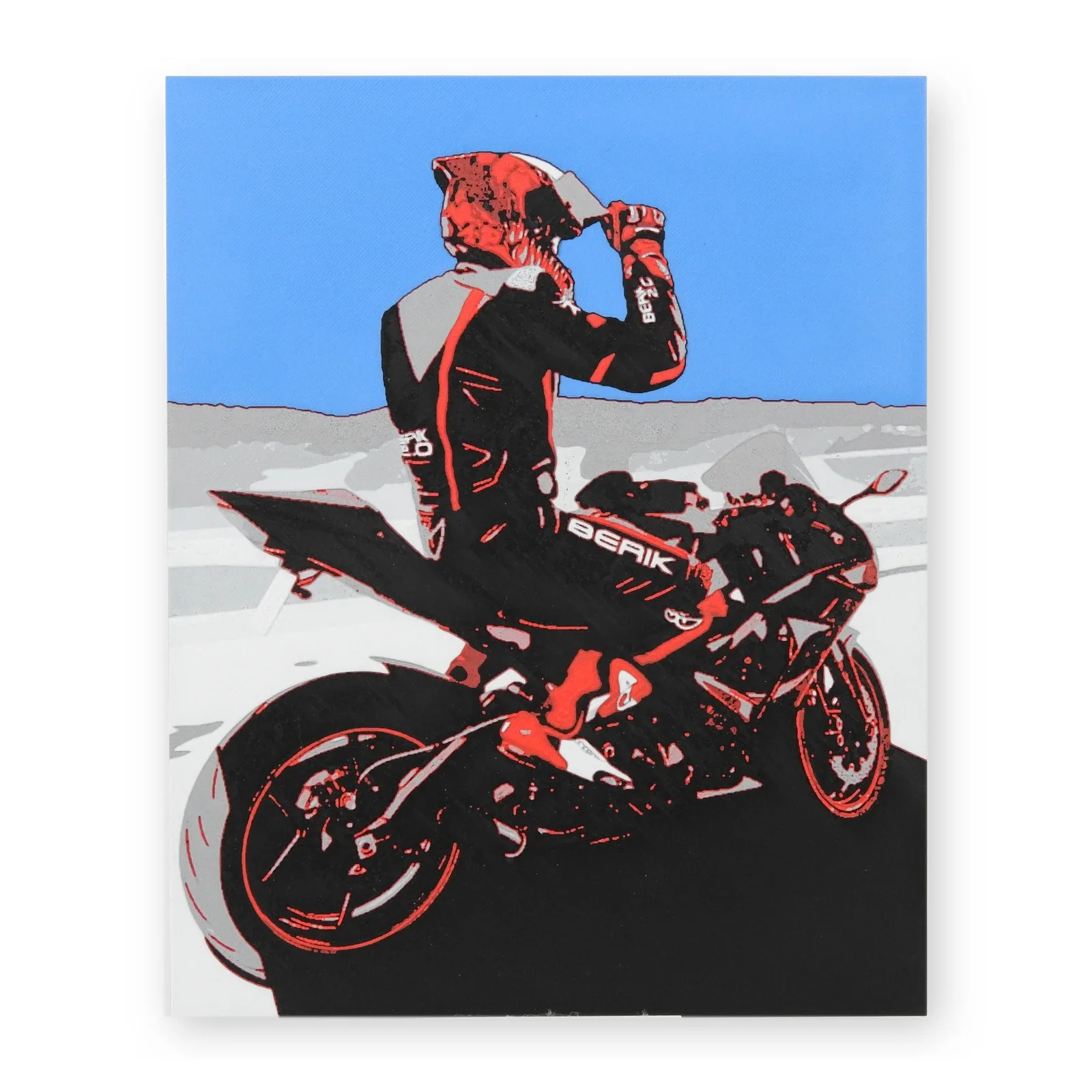
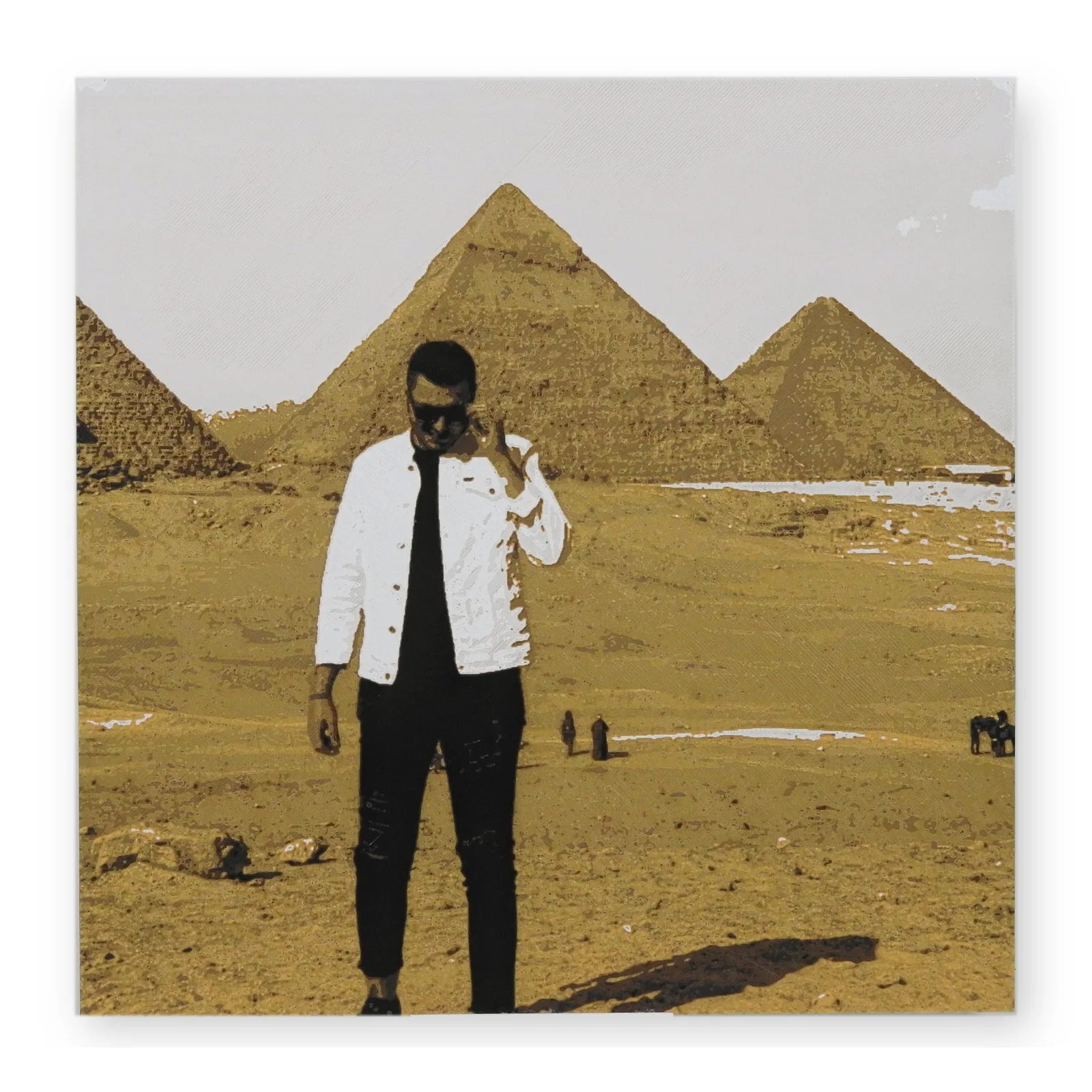
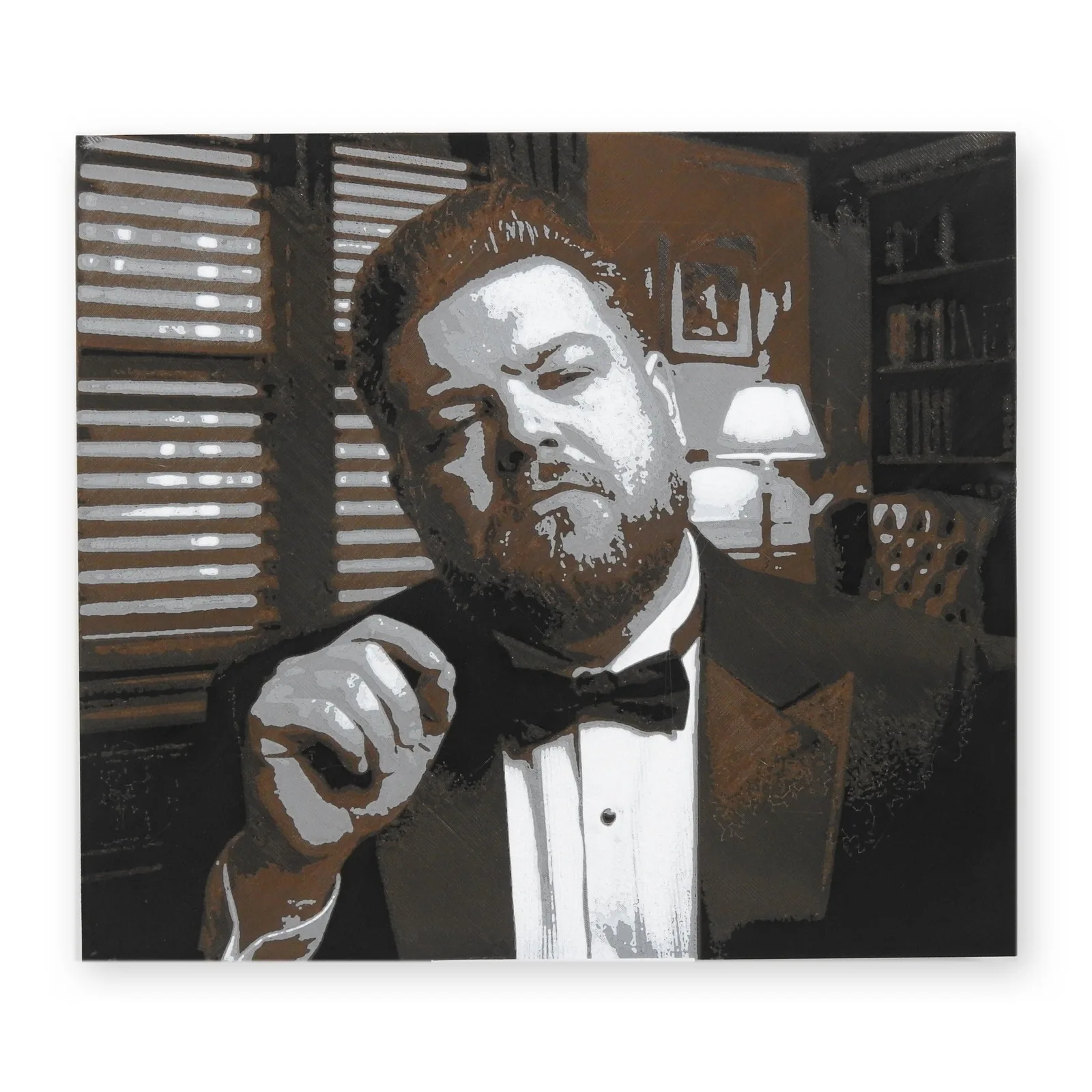
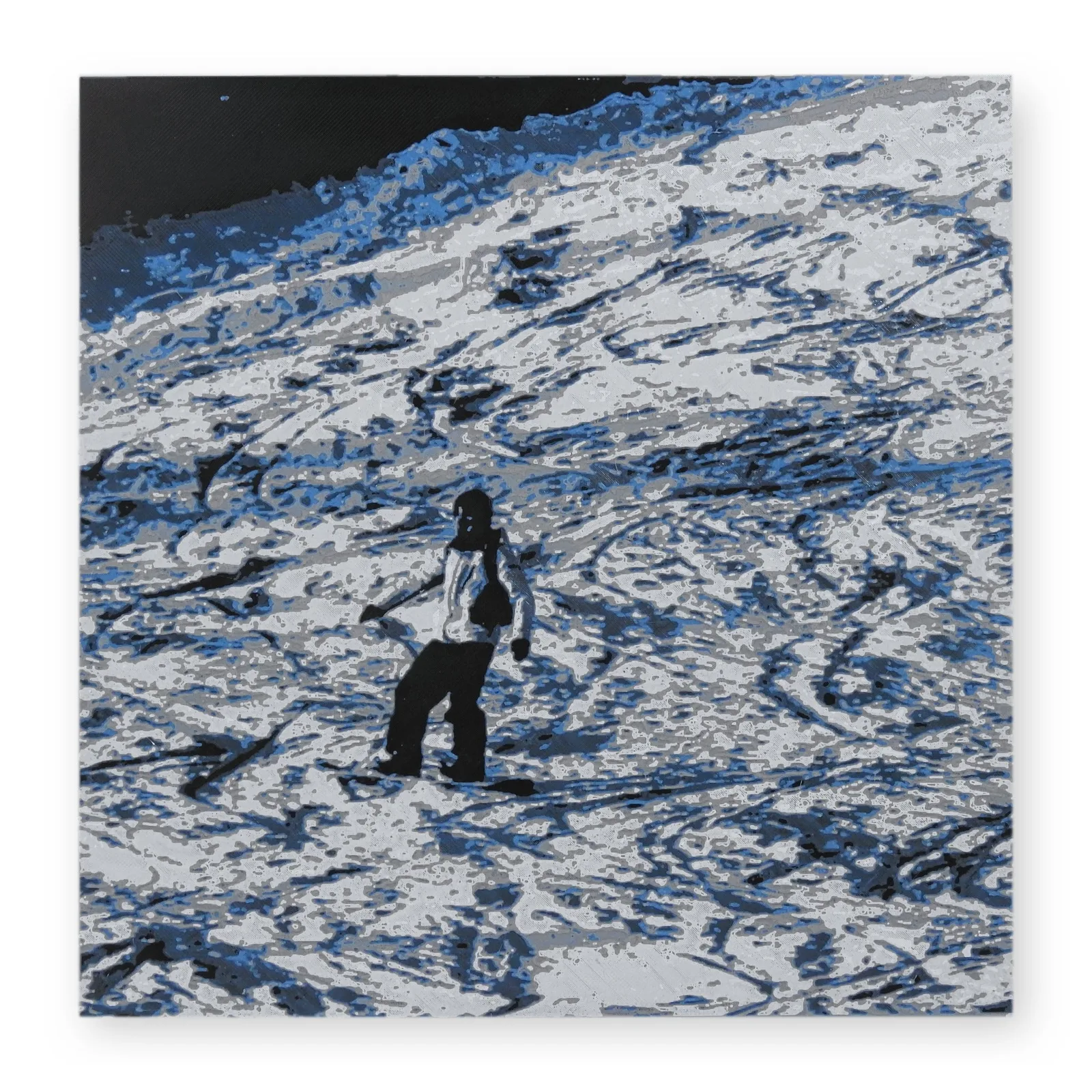
What comes off the printer. Five LayerTone pictures, 25 x 25 cm each, made from friends' photos and printed for them.
It checks its own work
A model that looks right on screen and fails on the bed is worth nothing, so a design is not handed over until it passes.
Real sizes, with sources
Name a phone, a bottle or a screw and it looks up the dimensions on the web, adds the clearance a print needs and tells you where each number came from.
Every slider at its limits
It renders the model, looks at it, then rebuilds it with each slider at its minimum and its maximum before you touch one.
Print checks on export
Holes in the mesh, floating pieces, overhangs that need supports and walls too thin to print are flagged before you slice.
It can still get things wrong. Measure what has to fit, and print a small test piece first.
Free, and you bring the AI key
prompt-to-part costs nothing. You pay Anthropic or OpenRouter for what each design uses, and every reply shows its price.
| One design | Time | Cost |
|---|---|---|
| A 90 mm coaster with a rim | 22 s | $0.15 |
| A cable clip for a 6 mm cable, one screw | 1 min 17 s | $0.30 |
| A 60 x 40 x 30 mm box with a sliding lid | 1 min 40 s | $0.37 |
| A line art key holder with a car, including the picture | 42 s | $0.28 |
| A stand for a named phone, sizes looked up on the web | 4 min 47 s | $0.87 |
Measured with Claude Opus 5.5 at high effort. The app starts on its most capable model, which costs more; a smaller model costs about half. You switch in the menu under the chat.
Install it
Three commands, then open it in your browser. The first build takes a few minutes.
- Docker with Compose v2
- An Anthropic or OpenRouter key for 3D models
- An OpenRouter key for anything with pictures
- A Meshy key for 3D figures
- A Bambu Lab printer for sliced projects, or any printer for STL
git clone https://github.com/3dprogramin/prompt-to-part.gitcd prompt-to-part && cp .env.sample .envdocker compose up -d --build# then open http://localhost:8787
Add your key in Settings (the gear in the top bar), or paste it into .env before the last command.
Works for you? A star on GitHub helps other people find it. Rather not set it up yourself? I can install it for you.